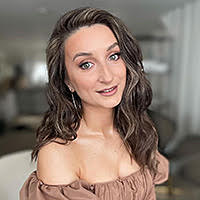

Wedding ponytail hairstyles can feel polished, modern, romantic, or relaxed, depending on the placement and finish. The right bridal ponytail should also suit your hair length, natural texture, density, and comfort needs.
ADVERTISEMENT
Use this guide to compare high, low, side, sleek, wavy, braided, and textured options. You’ll also learn how to match your ponytail with your face shape, wedding dress, veil, and venue. Bring your favorite ideas to a hair trial so your stylist can test the shape, hold, and overall balance before the wedding day.
In this post, you’ll learn:
- Ponytails For Long Hair
- High Ponytails
- Low Ponytails
- Elegant Pony Ideas + Tutorial
- Romantic Ponytails
- Modern Ponytails
- Glam Ponytails
- Cute Ponytails
- Twisted Ponytails
- Simple Ponytails
- Easy Ponytails
- Messy Bridal Ponytails
- Topsy Wedding Tails
- Braided Ponytails
- Half Ponytails
- Bubble Ponytails
- Wrapped Around Pony
- Ponytails For Wavy Hair
- Ponytails For Curly Hair
- Ponytails For Sleek Hair
- Frontal Ponytail Hairstyles
- Bridesmaid Hairstyles
- Wedding Guest Hairstyles
- Ponytail Hairstyles With Veil
Long Ponytail Hairstyles


Long ponytail hairstyles can be created with your natural length or enhanced with added hair. If your hair is already long and dense, your stylist may only need to reinforce the base and distribute the weight evenly. Clip-in extensions can add fullness through the lengths while keeping the result natural. A wrap-around ponytail is a good option when you want more length, greater density, or a cleaner base that conceals the elastic.
Added hair is not always needed for extra length. It can make a bridal ponytail for long hair look fuller, balance thin ends, or give a long wavy ponytail more consistent volume from the base to the tips. However, both natural length and extensions add weight, especially in a long high ponytail. Ask your stylist to build a secure internal base so the style does not drop or create uncomfortable tension. During your hair trial, walk, turn your head, and wear the ponytail for a while to check its stability and comfort.
Let the wedding setting guide the final finish. For an elegant ballroom or black-tie celebration, choose a polished ponytail with a smooth base, controlled volume, and softly shaped ends. A garden or outdoor wedding pairs beautifully with loose waves and flexible texture that can move naturally without looking undone. Boho brides may prefer an airy ponytail with subtle twists, small braids, or relaxed face-framing pieces. For a modern or minimalist wedding, a clean base and simple silhouette can complement a structured gown and understated accessories. Bring photos of your dress, venue, and veil to the trial so your stylist can create a ponytail that feels consistent with the entire bridal look.
Wedding Ponytails for Short Hair


Wedding ponytails for short hair work best when the style respects your natural length and layers. A mini low ponytail can gather the hair at the nape, while a half-up ponytail keeps the shorter lower section visible. A soft side ponytail is another option when the hair reaches far enough to create an off-center base.
Short layers may need carefully placed pins to keep the hairstyle secure without making it look stiff. Soft waves and face-framing pieces can also create a fuller shape. When extra length is needed, your stylist may add a lightweight ponytail extension or small hairpiece.
Wedding Ponytails for Medium-Length Hair


Wedding ponytails for medium-length hair offer more flexibility than shorter styles. Shoulder-length hair can usually support low and mid-height ponytails, while a higher base may make the ends appear shorter. Soft waves can create the impression of extra length, and a smooth finish gives the hairstyle a more polished bridal look.
Layers may need hidden pins or a reinforced base to keep shorter pieces in place. Fine hair can benefit from light padding or discreet extensions for fullness. Added hair may also help balance thin ends without making the ponytail look oversized. During your hair trial, check the style from the front, side, and back to ensure the proportions feel natural.
High Ponytail Hairstyles


High ponytail hairstyles place the focus on lift, length, and a clearly defined base. A sleek high ponytail feels sharp and polished. Curly versions add bounce, while voluminous or messy finishes create a softer silhouette.
Fine hair may need light padding near the base to avoid a narrow, top-heavy shape. Thick hair often benefits from sectioned anchoring, especially when extensions add extra weight. The ponytail should rise cleanly from the crown without pulling the hairline too tightly.
High ponytail wedding hair pairs especially well with closed necklines, structured shoulders, and open-back gowns. The elevated placement also keeps statement earrings and dress details visible.
Expert Tip: If your face is oval very high ponytail will suit you perfectly. However, if your face is long with a prominent forehead, or if you have a deep hairline, it would be best to leave some face-framing bangs out.
Low Ponytail Hairstyles


A low ponytail sits close to the nape and creates a calmer, more grounded silhouette. Choose a sleek straight finish for clean definition, loose waves for movement, or curls for a fuller shape. A textured low ponytail feels softer without needing the deliberately undone finish of a messy style.
Fine hair can gain body from discreet padding or lightweight extensions placed beneath the natural lengths. Long or thick hair usually falls naturally into this position, making it easier to control its weight.
Low ponytail wedding hair works beautifully with open backs, detailed necklines, and dresses where the rear view matters. Wrapping a strand around the elastic gives the base a polished finish without adding another accessory.
Wedding Elegant Ponytail


An elegant wedding ponytail depends on precision rather than dramatic volume. The crown should look smooth, the base should feel intentional, and the lengths should follow one controlled shape. A polished ponytail updo keeps the hair away from the face while preserving length and movement through the back.
A defined middle part can create a polished red-carpet finish. A softly swept front feels slightly less formal while keeping the hairstyle refined. Fine hair may benefit from a wrap-around ponytail that adds fullness without changing the proportions.
This style complements A-line dresses, structured fabrics, and classic bridal silhouettes. Finish it with one restrained detail, such as delicate hairpins, a slim comb, or a small pearl accent.
Expert Tip: If you add a flower crown to the front it will look great with boho styles. If you place elegant leafy pins at the back, it would be a fantastic option even for a cathedral length veil.
Hair Ponytail Tutorial
See how easy it is to make an awesome hairstyle. All it takes is a little practice and it will work! Watch and try.
Romantic Updo Ponytail Hairstyles


Soft movement is the defining feature of a romantic wedding ponytail. Loose waves, curved ends, and face-framing pieces create a gentle shape without making the hairstyle look unfinished.
The base may remain polished, but the lengths should feel light and flexible. Texture spray or volume powder can help the waves hold their form while preserving a touchable finish.
Romantic bridal hair pairs naturally with lace, flowing skirts, and floral details. Small pearl pins or delicate blossoms can echo those elements without covering the movement. The final effect should feel soft and expressive, rather than highly sculpted or deliberately dramatic.
Expert Tip: Your stylist can apply dry texture spray or volume powder to guarantee lasting volume and texture.
Modern Ponytail


A modern wedding ponytail is built around clean geometry and an intentional silhouette. Straight lengths, controlled bends, or smooth S-shaped waves can all work, provided the ends remain neat and the front looks deliberate.
The style pairs especially well with structured gowns, architectural necklines, and sleek fabrics. Instead of layered decoration, choose one minimal detail or leave the ponytail unadorned.
A contemporary bridal ponytail does not need to be completely slick. Subtle volume can soften the shape, but every element should feel purposeful. The strongest modern looks use proportion, line, and finish as the main decoration.
Glam Ponytail


Glam ponytails rely on visible impact. Think dramatic volume, glossy lengths, defined waves, and a silhouette that holds its shape from every angle.
A sculpted high ponytail creates red-carpet energy, while a lower style with Hollywood waves feels rich and cinematic. Controlled symmetry keeps the volume polished rather than oversized.
This formal bridal hair suits evening weddings, black-tie venues, and gowns with bold embellishment. Crystal pins, statement earrings, or a decorative comb can support the drama. Shine also matters here: a smooth reflective finish helps the waves and curves remain visible in low ballroom lighting.
Cute Ponytail Hairstyles


Cute ponytail hairstyles use playful details without losing their bridal polish. Soft curls, a satin bow, or a narrow ribbon can make the style feel youthful and personal.
The base should remain clean so the accessory looks intentional. Smaller clips or delicate fabric ties work well when a large bow would overpower the hairstyle. A softly curled ponytail can also create fullness without the airy texture associated with messy styles.
Choose one playful feature and let it lead the look. Repeating the same ribbon color, fabric, or small motif elsewhere can make the detail feel connected to the full bridal outfit.
Twisted Bridal Ponytail


A twisted bridal ponytail uses rolled or rope-like sections instead of a visible braid pattern. The twists add dimension along the sides and guide shorter layers neatly toward the base.
This construction is especially useful for layered hair because it can hide pins within the folds. A low twisted ponytail creates a soft shape while keeping the structure controlled.
Fresh or dried flowers, fabric accents, and small nature-inspired pins suit the style well. Large beaded pieces can cover the twist pattern and make the design feel crowded. The beauty of this hairstyle comes from seeing how the sections wrap and connect.
Simple Ponytail Hairstyles


Simple ponytail hairstyles for a wedding focus on visual restraint. A clean base, one consistent finish, and minimal decoration create a look that feels calm and polished.
The ponytail may be smooth, softly curved, or lightly voluminous, but it should not combine several visible techniques. This approach works especially well with off-the-shoulder dresses, spaghetti straps, and fitted gowns.
One silk ribbon, refined pin, or pair of statement earrings is usually enough. Although the finished style appears uncomplicated, invisible pins and careful smoothing may still be needed to keep every line clean.
Expert Tip: Add a silk ribbon or large statement earrings to dress up this voluminous ponytail. If your hair is fine, your stylist can add 3-4 tracks of clip-in hair extensions to add volume, length and texture.
Easy Ponytail Hairstyles


Easy wedding ponytail hairstyles reduce preparation by using a straightforward base and a manageable finish. Low and mid-height ponytails are often practical choices because they require less internal structure than very high or heavily textured designs.
Soft waves can be prepared in advance, while a smooth ponytail needs only controlled brushing and secure fastening. Fine hair may gain quick fullness from a lightweight halo extension or pre-styled hairpiece.
This category is especially useful for early ceremonies and large bridal parties. The goal is not to make the style look minimal, but to choose a construction that can be completed efficiently and refreshed without rebuilding the entire hairstyle.
Messy Ponytail Hairstyles


Messy ponytail hairstyles should look intentionally relaxed, not poorly secured. The structure begins with a firm internal base, then selected sections are loosened to create lift, separation, and movement.
A messy high ponytail feels lively and voluminous. A messy low ponytail creates a softer, more understated shape. Face-framing pieces can support either version, but they should follow the overall texture instead of falling randomly.
The most successful messy bridal ponytails balance control with softness. Visible flyaways, uneven pulling, or a collapsing crown do not add charm. The goal is airy texture with enough structure to preserve the silhouette.
Topsy Tail


A topsy tail is formed by flipping the ponytail through an opening above its base. One inverted section creates a subtle twist, while several repeated sections produce a fuller, more decorative pattern.
The style works best on medium-to-long hair with enough density to keep each section visible. Fine or shorter hair can be supported with a lightweight wrap-around ponytail when additional length is needed.
Fresh flowers, dried stems, ribbons, and individual pins complement its soft boho character. Because slight movement enhances the inverted texture, a topsy tail can suit outdoor celebrations where a perfectly rigid finish would feel less natural.
Expert Tip: If your hair is fine or short, but you’d still like this style consider purchasing a wrap-around ponytail which can be curled the day before, cutting the prep time dramatically. Add a ribbon, individual pins or fresh blossom to the complete look, and you’re ready to wed!
Braided Ponytail Hairstyles


Braided ponytail hairstyles can place the braid at the crown, along one side, around the base, or through the ponytail itself. A French or Dutch braid adds structure near the scalp, while a fishtail braid creates more detail through the lengths. Smaller accent braids offer texture without dominating the style.
Medium-to-long hair usually gives the braid enough length to remain visible. Shoulder-length hair may need discreet extensions if the ends look thin or the braid disappears into the base. Braids can also guide shorter layers into place, making them useful for layered cuts.
Choose accessories that leave the pattern visible. A light veil or small detail inspired by the dress lace can complement the braid without covering its construction.
Expert Tip: If the lace on your wedding dress is floral try to choose hair accessories that are of a similar pattern. For example, if you have some appliqué daisies incorporated in the bodice of your bridal dress, try to find delicate blooms of a similar shape made out of china, metal or lace for your hair.
Half Ponytail Hairstyles


A half ponytail keeps the upper section controlled while leaving the lower lengths loose. It works especially well when you want an open face without losing the movement of hair worn down.
The crown section needs enough density to form a visible ponytail without making the loose hair beneath it look sparse. Shorter layers can be secured inside the base with hidden pins, while a small barrette may replace a traditional elastic for a softer finish.
This shape suits short bobs, medium-length cuts, and long hair, but the result changes with length. On shorter hair, the loose baseline should remain clearly visible so the style still reads as a genuine half-up ponytail rather than a small full updo.
Ensure your half-up ponytail is comfortable to wear throughout the day. Avoid styles that pull too tightly on your scalp, as you want to feel relaxed during your celebration. If you prefer a professional touch for your wedding day, browse the Wedding Forward Vendors Directory to find an experienced stylist.
Bubble Ponytail Hairstyles


Bubble ponytail hairstyles divide the length into rounded sections using evenly spaced elastics. The bubbles should gradually follow the natural taper of the hair instead of looking identical from top to bottom.
Long hair gives the pattern more space, while medium-length hair usually supports fewer, larger sections. Fine hair may need a ponytail extension to create enough fullness for each bubble. Thick hair often needs stronger elastics that can hold the shape without cutting visibly into the sections.
After securing each elastic, the hair is gently expanded to create balanced volume. Uneven spacing or over-pulled sections can make the ponytail look irregular, so symmetry is more important here than loose texture.
Ponytail With Hair Wrapped Around


Wrapping a strand of hair around the ponytail base hides the elastic and gives the hairstyle a more finished appearance. The detail can be added to high, low, straight, wavy, or voluminous ponytails without changing their overall construction.
The wrapped section should be wide enough to cover the fastening but light enough to lie smoothly. A hidden pin secures the end underneath the base, where it will not interrupt the clean line of the ponytail.
This finish looks strongest when the crown is polished and the base is proportionate to the lengths. If the natural hair is too short or fine to create the wrap, a matching strand from an extension piece can provide the same effect.
ADVERTISEMENT
Wavy Ponytail


Wavy ponytails can range from barely visible bends to structured Hollywood waves. Soft waves create relaxed movement, while defined waves give the lengths a more polished and deliberate pattern.
Placement changes how the texture falls. A high wavy ponytail produces bounce and a lifted silhouette. A low wavy ponytail allows the waves to fall closer to the back and shoulders, creating a gentler shape. Hollywood-style waves need more uniform direction and shine than loose bridal waves.
Crown volume should support the wave pattern rather than compete with it. Concentrating backcombing close to the roots adds structure while keeping the surface smooth. Medium-hold hairspray can preserve movement without making the lengths look stiff.
Curly Ponytail Hairstyles


Curly ponytail hairstyles can preserve a natural curl pattern or use styled curls to create a more uniform finish. High placement emphasizes bounce and volume, while a low curly ponytail gives the curls more length and a softer outline. A side placement shifts the fullness toward one shoulder.
The base should support the curls without flattening their texture. When extensions are used, the curl pattern, density, and color need to blend with the natural hair from every angle. A mismatch is often more noticeable in curls than in straight or softly waved styles.
Instead of brushing through the finished lengths, shape individual curls where extra definition is needed. This keeps the ponytail full while protecting the separation and movement that make curly bridal hair distinctive.
ADVERTISEMENT
Sleek Ponytail Hairstyles


Sleek ponytail hairstyles are defined by a smooth surface, precise parting, and controlled flyaways. A sleek high ponytail feels sharper and more energetic, while a sleek low ponytail creates a quieter, formal silhouette near the nape.
Naturally straight hair may need only light smoothing and hold. Wavy or curly hair usually requires heat styling or careful tension to create an even surface. Relaxed hair can achieve the same polished finish, but the base should remain comfortable and avoid unnecessary pulling around the hairline.
The clean shape suits black-tie weddings, ballrooms, and gowns with strong necklines or detailed fabric. Product placement matters more than quantity: use enough gel or finishing spray to control the surface without leaving the hair stiff, wet-looking, or weighed down.
Frontal Ponytail Hairstyles
The front view of a ponytail shapes the entire bridal look, even when most of the hairstyle sits behind you. Parting, crown height, bangs, and face-framing pieces determine whether the result feels sleek, soft, lifted, or relaxed. Choose the front separately from the ponytail length so both elements create a balanced silhouette.
ADVERTISEMENT
Middle Part, Side Part, or Swept-Back Front


A middle part creates symmetry and gives the ponytail a clean, defined frame. It works especially well when you want the hairstyle to feel polished without adding much crown height.
A side part introduces softer asymmetry and can direct attention toward one cheekbone or earring. The depth of the part also changes the effect: a subtle shift feels classic, while a deeper side part looks more dramatic.
A fully swept-back front leaves the face and hairline completely exposed. It can make a high ponytail feel sharper or give a low ponytail a sculpted finish. Because there is no parting to soften the shape, the roots should follow a smooth, intentional direction.
Ponytail Hairstyles With Bangs and Face-Framing Pieces


Ponytail hairstyles with bangs can soften the front without changing the ponytail itself. Curtain bangs open around the face and blend naturally into loose waves or textured lengths. Side bangs create a diagonal line that works well with asymmetrical styling, while a full fringe gives the hairstyle a stronger, more graphic frame.
Face-framing pieces are different from a permanent fringe. They are selected strands released near the temples or jaw to soften a polished base. Their length should connect with the rest of the hairstyle rather than stop abruptly. Too many loose strands can hide the front shape, so choose a few purposeful pieces instead of creating an uneven halo.
ADVERTISEMENT
Choose a Ponytail Front for Your Face Shape
For a round face, crown lift or a slightly higher ponytail can add vertical balance. Long face-framing pieces may also create more definition along the cheeks.
Oval faces can support most front styles, from a centered part to a completely swept-back finish. The choice can focus more on the dress neckline and preferred level of facial exposure.
A square face often benefits from a side part, curved fringe, or soft pieces near the jaw. These details contrast with stronger angles without covering the face.
For a heart-shaped face, curtain bangs or gentle width near the jaw can balance a broader forehead. Long faces may suit a lower crown, side part, or fuller fringe rather than excessive height. These are visual guides, not fixed rules; the best front view is the one that creates the proportion you prefer.
Bridesmaid Ponytail Hairstyles


Bridesmaid ponytail hairstyles can create a coordinated bridal party without requiring every person to wear an identical look. Choose one shared feature, such as the ponytail height, finish, or accessory, then adapt the details to each bridesmaid’s hair length and texture.
Sleek low ponytails offer a more formal, uniform result. Softly waved or textured ponytails feel relaxed and allow natural differences between the hairstyles. Braids and twists can help secure shorter layers, while matching ribbons or hairpins connect the group visually.
Comfort matters for a style worn through the ceremony, photographs, and reception. Avoid adding unnecessary weight or tension simply to make every ponytail the same size.
ADVERTISEMENT
Ponytail Hairstyles For Wedding Guest


For wedding guests, a ponytail should match the dress code while remaining practical enough to style and maintain without bridal-level preparation. A smooth low ponytail suits formal evening celebrations, while soft waves or light texture feel natural at garden, beach, and daytime weddings.
Twists, a small braid, or a wrapped elastic can make the hairstyle feel considered without becoming overly elaborate. Choose accessories that complement your outfit, but avoid large bridal combs, veils, or heavily embellished pieces.
For outdoor events, secure shorter layers and keep a few pins available for quick adjustments. The result should feel polished, comfortable, and appropriate for the setting.
How To Wear A Veil With A Ponytail


If you have a high ponytail, the veil can be attached above the ponytail or underneath it, depending on your preference. For mid or low ponytails, the veil is typically attached below the ponytail.
Before the wedding day, it’s a good idea to have a trial run with your hairstylist to test different veil placements and ensure everything looks perfect together. Practice wearing the veil with your ponytail hairstyle to get comfortable with the placement and make any necessary adjustments.
There are so many different ponytail hairstyles to choose from — whether you love a voluminous bridal high ponytail, a minimalist sleek look, or a playful braid. Explore more wedding ponytail hairstyles in our gallery and find your perfect match.
ADVERTISEMENT
Choose the Veil Placement
Veil placement changes how much of the ponytail remains visible. Above a high ponytail, the veil creates height and a more dramatic back view. Placing it below the base keeps the hairstyle exposed and lets the fabric fall from underneath.
For mid-height and low ponytails, the comb usually sits close to the base or slightly beneath it. A side ponytail may need the veil positioned nearer the center so the overall silhouette does not feel unbalanced. Consider the veil’s width and drape as well as its length, since fuller fabric can cover more of the ponytail than expected.
Secure and Remove the Veil
A veil comb needs a firm anchor rather than being pushed directly into smooth hair. Hidden pins, a small concealed braid, or a reinforced section near the ponytail base can give the teeth something secure to grip.
Heavier veils require more support because their weight can pull the comb backward or distort the hairstyle. The fastening should remain separate from the ponytail elastic whenever possible.
When removing the veil, release any supporting pins first and slide the comb out in the same direction it entered. Lifting it upward can catch the hair, loosen the base, or disturb the finished surface.
ADVERTISEMENT
Ponytail and Veil Hair Trial Checklist
Use this checklist when testing a ponytail with your veil:
- Bring the exact veil, comb, and planned hair accessories.
- Compare at least two placement options.
- Photograph the hairstyle from the front, side, and back.
- Walk, turn your head, sit, and move as you will during the ceremony.
- Check whether the comb pulls, slips, or hides too much of the ponytail.
- Practice removing the veil without disturbing the base.
Brides Often Ask
Are Ponytails Good for Weddings?
Yes, ponytails can look completely bridal when the proportions, finish, and base are carefully planned. Sleek styles suit formal celebrations, while waves, curls, braids, or soft texture create a more relaxed effect. The hairstyle should complement your dress and natural hair rather than resemble an everyday ponytail.
What Is a Modern Wedding Ponytail?
A modern wedding ponytail has an intentional shape, clean construction, and carefully finished ends. It may be sleek, softly sculpted, wavy, or styled as a bubble ponytail. What makes it modern is the controlled silhouette and limited decoration, not one specific texture or placement.
Which Ponytail Hairstyle Is Best for a Bride?
The best ponytail hairstyle depends on your hair length, texture, dress, veil, and preferred front view. A high ponytail adds lift, while a low ponytail offers a softer silhouette. Braids add structure, and waves or curls create movement. Choose the option that looks balanced and can be supported comfortably by your natural hair.
How Do You Keep a Wedding Ponytail Secure All Day?
A wedding ponytail lasts longer when the hair is prepared with the right amount of grip and secured with a strong internal anchor. Hidden elastics and pins should support the base without relying on excessive product. Heavy extensions must be distributed carefully, since concentrated weight can make the ponytail drop. Finish by smoothing flyaways while leaving the lengths flexible enough for natural movement.
Conclusion
The right wedding ponytail should feel balanced with your natural hair, dress, veil, and overall bridal style. Once you choose the placement and finish, make sure the hairstyle can support its length, volume, and accessories comfortably. A well-planned ponytail can look polished, expressive, and distinctly bridal without losing the ease that makes this style so appealing.
ADVERTISEMENT

![40+ Wedding Hairstyles For Short Hair Looks [2026 Guide & FAQs]](https://i0.wp.com/www.weddingforward.com/wp-content/uploads/2020/01/wedding-hairstyles-for-short-hair-alt.jpg?fit=156%2C250&quality=70&ssl=1)
![Pixie Wedding Hairstyles Ideas [2026 Guide & FAQs]](https://i0.wp.com/www.weddingforward.com/wp-content/uploads/2022/05/pixie-wedding-hairstyles-main-image.jpg?fit=156%2C250&quality=70&ssl=1)
![Shoulder Length Wedding Hairstyles For Medium Hair [2027 Guide]](https://i0.wp.com/www.weddingforward.com/wp-content/uploads/2024/08/wedding-hairstyles-for-medium-hair-main-image.jpg?fit=156%2C250&quality=70&ssl=1)
![30 Bob Wedding Hairstyles Ideas For 2026 [Guide & FAQs]](https://i0.wp.com/www.weddingforward.com/wp-content/uploads/2022/05/bob-wedding-hairstyles-main-photo.jpg?fit=156%2C250&quality=70&ssl=1)
![50 Wedding Updos Hairstyle Ideas [2026 Guide & FAQs]](https://i0.wp.com/www.weddingforward.com/wp-content/uploads/2023/04/wedding-updos-new-main-img.jpg?fit=156%2C250&quality=70&ssl=1)
![70+ Half Up Half Down Wedding Hairstyles: Best Looks [2027 Guide]](https://i0.wp.com/www.weddingforward.com/wp-content/uploads/2024/02/half-up-half-down-wedding-hairstyles-main-img-new.jpg?fit=156%2C250&quality=70&ssl=1)
![30+ Swept-Back Wedding Hairstyles Looks [2027 Guide + Expert Tips]](https://i0.wp.com/www.weddingforward.com/wp-content/uploads/2024/03/swept-back-wedding-hairstyles-main-image-new.jpg?fit=156%2C250&quality=70&ssl=1)


![Wedding Side Hairstyles: 24 Stylish Ideas For 2026 [Guide & FAQs]](https://i0.wp.com/www.weddingforward.com/wp-content/uploads/2022/05/wedding-side-hairstyles-new-main-image.jpg?fit=156%2C250&quality=70&ssl=1)

![Best Pin Up Wedding Hairstyles Looks [2026 Guide & FAQs]](https://i0.wp.com/www.weddingforward.com/wp-content/uploads/2022/05/pin-up-wedding-hairstyles-main-image.jpg?fit=156%2C250&quality=70&ssl=1)

![Wedding Hairstyles For Curly Hair [2026 Guide + Expert Tips]](https://i0.wp.com/www.weddingforward.com/wp-content/uploads/2024/02/wedding-hairstyles-for-curly-hair-new-main-photo.jpg?fit=156%2C250&quality=70&ssl=1)
![Straight Wedding Hairstyles: Lovely Looks [2026 Guide & FAQs]](https://i0.wp.com/www.weddingforward.com/wp-content/uploads/2022/05/straight-wedding-hairstyles-main-image.jpg?fit=156%2C250&quality=70&ssl=1)
![Natural Wedding Hairstyles Superb Ideas For 2026 [Guide & FAQs]](https://i0.wp.com/www.weddingforward.com/wp-content/uploads/2022/07/natural-wedding-hairstyles-main-image.jpg?fit=156%2C250&quality=70&ssl=1)
![Wedding Hairstyles For Thin Hair: 100+ Looks & Expert Tips [2026 Guide]](https://i0.wp.com/www.weddingforward.com/wp-content/uploads/2020/01/wedding-hairstyles-for-thin-hair.jpg?fit=200%2C250&quality=70&ssl=1)

![30+ Vintage Wedding Hairstyles Ideas [2026 Guide & Expert Tips]](https://i0.wp.com/www.weddingforward.com/wp-content/uploads/2019/11/vintage-wedding-hairstyles-new-featured.jpg?fit=156%2C250&quality=70&ssl=1)
![30+ Rustic Wedding Hairstyles Ideas [2026 Guide & Expert Tips]](https://i0.wp.com/www.weddingforward.com/wp-content/uploads/2019/01/rustic-wedding-hairstyles-main-image.jpg?fit=156%2C250&quality=70&ssl=1)

![30 Viking Wedding Hairstyles Ideas [2026 Guide & FAQs]](https://i0.wp.com/www.weddingforward.com/wp-content/uploads/2022/05/viking-wedding-hairstyles-main-photo.jpg?fit=156%2C250&quality=70&ssl=1)
![7 Old Hollywood Wedding Hair Looks [2026 Guide & FAQs]](https://i0.wp.com/www.weddingforward.com/wp-content/uploads/2022/05/old-hollywood-wedding-main-image.jpg?fit=156%2C250&quality=70&ssl=1)
![30+ Beach Wedding Hairstyles: Relaxed Looks [2026 Guide & FAQs]](https://i0.wp.com/www.weddingforward.com/wp-content/uploads/2022/05/beach-wedding-hairstyles-main-image.jpg?fit=156%2C250&quality=70&ssl=1)
![25+ DIY Wedding Hairstyles Ideas [2026 Guide & FAQs]](https://i0.wp.com/www.weddingforward.com/wp-content/uploads/2022/06/diy-wedding-hairstyles-new-main-img.jpg?fit=156%2C250&quality=70&ssl=1)


![Mother Of The Bride (or Groom) Hairstyles [2026 Guide]](https://i0.wp.com/www.weddingforward.com/wp-content/uploads/2023/12/mother-of-the-bride-hairstyles-main-photo-new.jpg?fit=156%2C250&quality=70&ssl=1)


![30+ Flower Girl Hairstyles For Wedding [Guide 2027]](https://i0.wp.com/www.weddingforward.com/wp-content/uploads/2021/11/flower-girl-hairstyles-featured-new.jpg?fit=156%2C250&quality=70&ssl=1)


![Bridal Barrette: 30 Ideas For 2026 [Expert Tips + FAQs]](https://i0.wp.com/www.weddingforward.com/wp-content/uploads/2022/07/bridal-barrette-main-image.jpg?fit=156%2C250&quality=70&ssl=1)

![Wedding Hats: Modern & Vintage Bridal Looks [2026 Guide & FAQs]](https://i0.wp.com/www.weddingforward.com/wp-content/uploads/2021/08/wedding-hats-main-photo.jpg?fit=156%2C250&quality=70&ssl=1)


